
It can be concerning if both your VSC (Vehicle Stability Control) light and check engine light are illuminated on your dashboard. While each light has its own meaning, the two being on together might point to a more complex issue especially when drivers try quick fixes like using cheap windshield repair kits or other DIY products instead of proper diagnostics.
Why is my VSC light and check engine light on?
Both lights often signal linked issues in the vehicle’s stability, braking, or engine systems, caused by faulty sensors, low brake fluid, or wiring problems.
Key Takeaways:
- The VSC light indicates a Vehicle Stability Control system issue, often related to traction or braking.
- The check engine light signals problems with the engine or emission system.
- Both lights together can mean shared system issues, faulty sensors, or low brake fluid.
- Immediate diagnostics and repair are essential to avoid further damage.
What Is the VSC Light?
The VSC light is part of your vehicle’s stability control system, which helps keep your car safe by maintaining traction in hazardous driving conditions. When the VSC light comes on, it generally means the system has detected a malfunction.
Common Causes of the VSC Light:
Faulty Wheel Speed Sensors: These sensors measure the speed of your wheels and provide feedback to the vehicle’s system to help maintain traction. If one of these sensors malfunctions, it can trigger the VSC light.
Low Brake Fluid: The VSC system is closely tied to the vehicle’s braking system. Low brake fluid levels can cause the system to malfunction and trigger the VSC light.
Faulty ABS System: The Anti-lock Braking System (ABS) and VSC system work together. If there’s an issue with your ABS, it can trigger both the VSC and check engine lights.
Worn Tires: Uneven or worn-out tires can affect the performance of the VSC system, triggering the light to come on.
What Is the Check Engine Light?

The check engine light is one of the most well-known indicators on your dashboard. It can come on for many reasons, from a minor issue like a loose gas cap to more serious engine problems.
When the check engine light is illuminated, the vehicle’s onboard diagnostic system has detected an issue with the engine or emission system.
Common Causes of the Check Engine Light:
Oxygen Sensor Issues: A malfunctioning oxygen sensor can affect fuel efficiency and emissions, which will trigger the check engine light.
Faulty Spark Plugs or Ignition Coils: If your spark plugs or ignition coils are worn out, your engine may misfire, triggering the check engine light.
Mass Air Flow Sensor Problems: This sensor measures the amount of air entering the engine, helping control the fuel-to-air ratio. If it malfunctions, it can cause the check engine light to turn on.
Loose or Damaged Gas Cap: A loose or damaged gas cap can cause a drop in pressure in the fuel system, triggering the check engine light.
Why Are Both Lights On at the Same Time?
Now that we understand what the VSC and check engine lights mean individually, it’s important to explore why both of them might come on together. There are several potential reasons for this occurrence:
1. Shared Components or Systems
The VSC system and the engine’s emission and fuel systems are closely linked. For example, if there’s an issue with the ABS system or a wheel speed sensor, it can trigger both the VSC and check engine lights at once.
Similarly, a malfunction in the traction control system can affect the engine’s performance, causing both warning lights to appear. A related issue like needing a replacement maf sensor Monfort Heights can also set off both alerts if airflow data is disrupted.
If you’ve ever read a hybrid and ev car compare, you’ll notice how interconnected modern vehicle systems are, and the same applies here—multiple components rely on each other to function correctly.
2. Faulty Sensors
Since the VSC system relies on various sensors to monitor the stability and traction of the vehicle, a faulty sensor (such as a wheel speed sensor) can trigger both the VSC and check engine lights.
Sensors involved in the ABS and stability control systems are often interconnected with the engine control system, meaning a failure in one system may affect the other. This highlights the function of the ECU in a vehicle, which is to act as a central hub that gathers data from various sensors and systems to ensure optimal performance, safety, and efficiency.
The ECU (Engine Control Unit) continuously monitors and adjusts functions such as fuel injection, ignition timing, and throttle response, while also communicating with other critical systems like ABS and stability control to maintain vehicle stability and control. When diagnosing issues related to ignition performance, it’s often useful to check the ignition coil with a multimeter to ensure proper voltage and resistance levels, which helps confirm whether the ECU is sending the correct signals.
3. Electrical or Wiring Problems
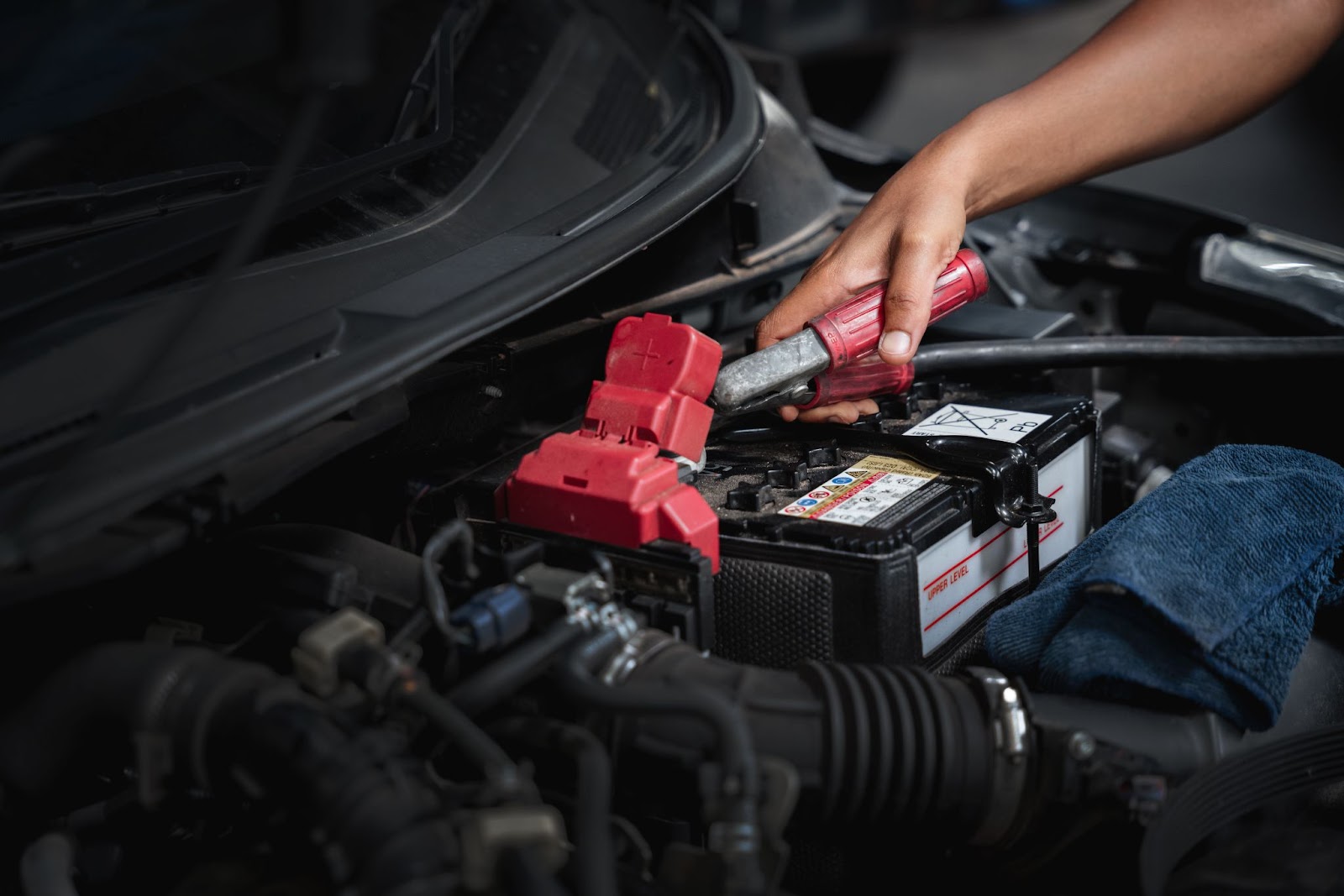
Electrical issues, like faulty wiring or poor connections, can trigger multiple warning lights, including both the VSC and check engine lights.
Wiring problems can interfere with the communication between various sensors and control modules in the vehicle, leading to false or multiple error codes.
4. Low Brake Fluid
Since the VSC system is closely tied to your vehicle’s braking system, low brake fluid can trigger both the VSC light and the check engine light.
This is especially true if the fluid level is low due to a leak in the brake system, which may also affect the engine’s performance.
What Should You Do If Both Lights Are On?
If both the VSC and check engine lights are on, it’s important to address the issue as soon as possible to avoid further damage to your vehicle. Here are the steps you should take:
1. Check for Obvious Issues
Before heading to the mechanic, check for simple issues that may be causing the lights to come on. For example:
2. Check the gas cap:
Ensure it’s tightly closed and not damaged. A loose or cracked gas cap is one of the most common and easiest causes of the check engine light.
3. Check fluid levels:
Ensure that your brake fluid and engine oil levels are adequate. Low brake fluid can trigger the VSC light, while low engine oil can cause engine performance issues, triggering the check engine light.
4 Scan the Vehicle’s Computer for Codes
The next step is to have your vehicle’s computer scanned for error codes. This is the most efficient way to pinpoint the underlying issue.
The error codes will tell you exactly what is malfunctioning and help identify whether the issue is related to the VSC system, engine, or another area of your vehicle.
5. Take the Car to a Mechanic
If you can’t resolve the issue yourself or if the warning lights remain on after you check the basics, take your car to a trusted mechanic. They can perform a detailed diagnostic test to identify the root cause of the problem.
Depending on the issue, repairs could range from replacing faulty sensors or ignition coils to more complex engine repairs.
If you are looking for a reliable option, I would highly recommend you go with our ASE certified technicians in Monfort Heights to fix the problem you are having. We are a certified auto repair shop in Monfort Heights that offers various services including auto diagnosticsand and erlanger ev & hybrid vehicle services.
6. Do Not Ignore the Lights
Ignoring the VSC or check engine light could result in serious damage to your vehicle. The VSC light, if left unchecked, can lead to reduced traction and stability, especially in slippery conditions.
The check engine light may indicate an issue that, if ignored, could cause further damage to the engine or exhaust system.
You can take a look at this post to know where to get check engine light checked.
Frequently Asked Questions
1. What does it mean if both the VSC and check engine lights are on?
It typically indicates an issue with your vehicle’s engine or stability control system, often caused by faulty sensors, low brake fluid, or electrical problems.
2. Can low brake fluid cause both lights to come on?
Yes, low brake fluid can trigger both the VSC and check engine lights, as the VSC system is closely tied to the braking system.
3. Can I drive with both lights on?
While it’s possible to drive with both lights on, it’s not recommended. Both lights indicate potential issues that could affect your vehicle’s safety and performance. It’s best to have your vehicle diagnosed and repaired as soon as possible.
Conclusion
Seeing both the VSC light and the check engine light on in your vehicle can be alarming, but understanding the potential causes and taking the right steps to address the issue can help you resolve the problem.
Whether the lights are triggered by faulty sensors, low brake fluid, or engine performance issues, it’s essential to have your vehicle diagnosed and repaired promptly to avoid further damage.
Read this guide on crankshaft sensor failure
