
Seeing the check engine light on your dashboard can be a stressful experience for any car owner. This warning light can indicate a wide range of issues, from minor issues like a loose gas cap to more serious engine problems.
Where to Get Your Check Engine Light Checked?
You can get your check engine light checked at local auto repair shops, dealerships, and auto parts stores offering free diagnostics, or by hiring mobile mechanics for on-site service. Some drivers even keep basic tools like an auto glass repair kit or other emergency items, but diagnostics should still be handled by a professional.
Key Takeaways:
- The check engine light signals issues ranging from minor (e.g., loose gas cap) to serious (e.g., engine or transmission problems).
- Local auto repair shops and dealerships offer professional diagnostics and repairs.
- Auto parts stores often provide free code scans but no repairs.
- Mobile mechanics are a convenient option for on-the-spot diagnostics.
Why Is Your Check Engine Light On?

Before we dive into where to get your check engine light checked, it’s helpful to understand why it might be on in the first place. The check engine light can illuminate for a number of reasons, and they vary in severity:
Loose or Damaged Gas Cap: This is one of the most common and least serious causes. If the gas cap is not tightened properly, it can trigger the check engine light.
Faulty Oxygen Sensor: The oxygen sensor measures how much oxygen is in your vehicle’s exhaust and helps optimize fuel efficiency. If it’s malfunctioning, your vehicle could experience reduced fuel economy and increased emissions.
Worn-out Spark Plugs or Ignition Coils: These components play a critical role in the ignition system. If they wear out, your vehicle might misfire, affecting performance and fuel efficiency.
Exhaust System Issues: Problems with the exhaust system, such as a clogged catalytic converter, can cause the check engine light to turn on.
Transmission Issues: If your transmission is not functioning properly, it could trigger the check engine light, indicating a serious issue that needs professional attention.
While some of these problems are minor, others could be more serious, potentially affecting your vehicle’s safety and performance. This is why it’s important to get the light checked as soon as possible.
Where to Get Your Check Engine Light Checked
There are several places where you can have your check engine light diagnosed. Here’s a breakdown of the options available to you:
Local Auto Repair Shops
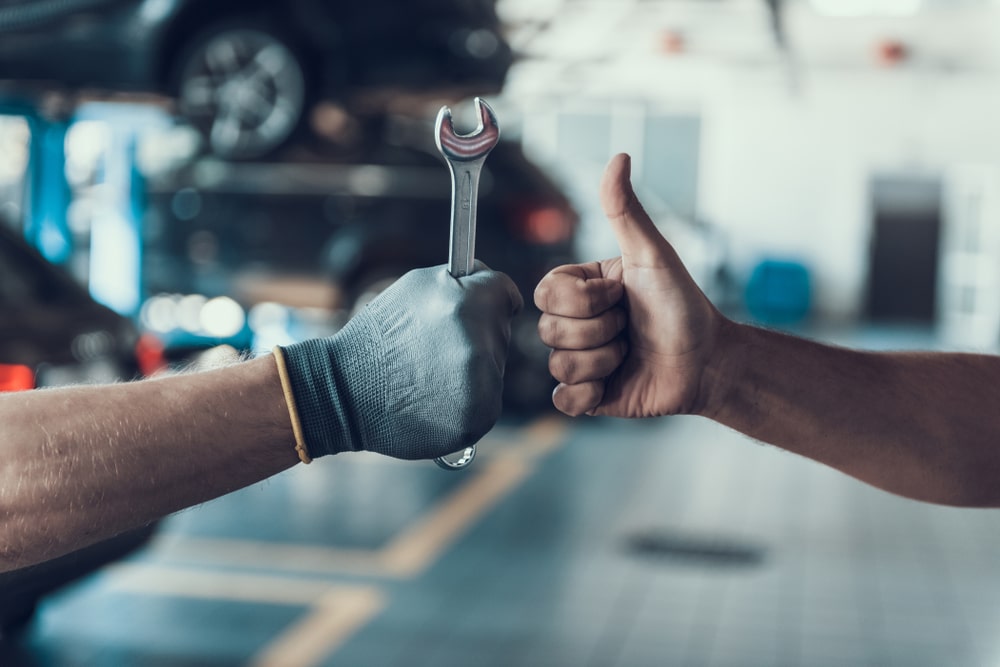
The most common place to have your check engine light checked is at an auto repair shop. Local shops typically have trained mechanics who can diagnose and repair the issue.
They use specialized tools, like an OBD-II scanner, to read the error codes stored in your vehicle’s computer system. This helps them pinpoint the problem.
Pros:
- Professional mechanics with the expertise to diagnose the issue.
- Quick turnaround for diagnosis and repairs.
- You can often get both the diagnostic test and repairs done at the same place.
Cons:
- It can be more expensive, especially if you don’t have a trusted mechanic.
- Wait times can vary depending on the shop’s schedule.
Dealerships
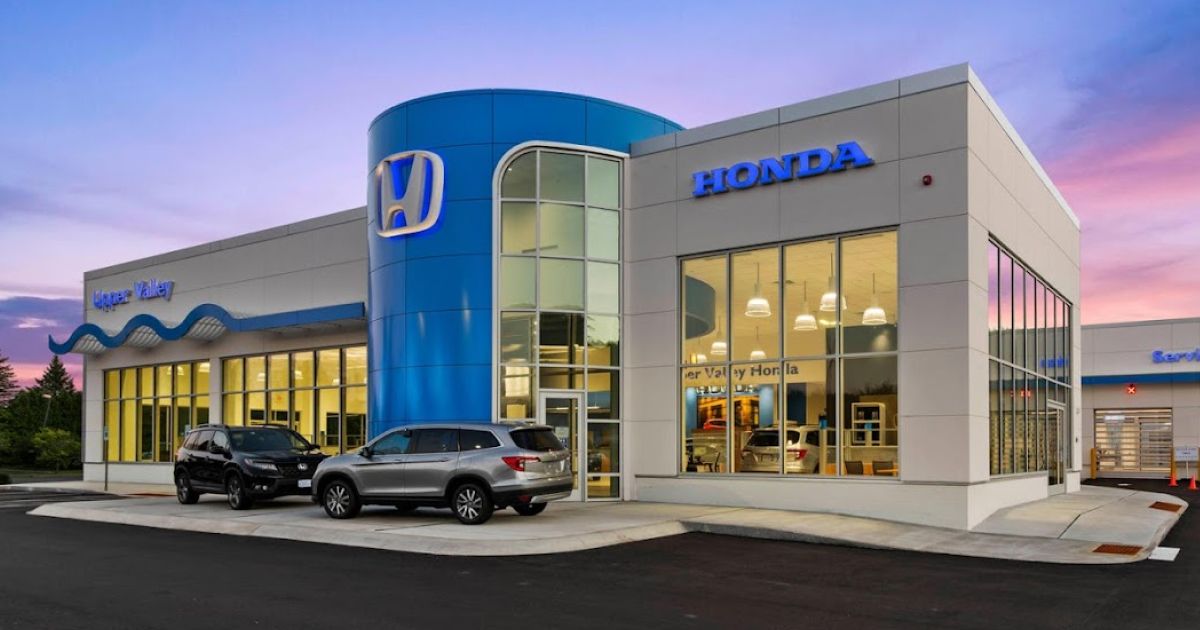
If your car is still under warranty, or if you prefer to have the vehicle serviced by the manufacturer, you can take it to the dealership. Dealerships often have the latest diagnostic tools specific to your car’s make and model, ensuring an accurate diagnosis.
Pros:
- Specialized tools and expertise for your specific vehicle brand.
- You’ll get an accurate diagnosis and be sure the work is done using genuine parts.
Cons:
- Dealership services are typically more expensive.
- You may experience longer wait times for appointments and repairs.
Automotive Parts Stores
Many automotive parts stores, like AutoZone, O’Reilly Auto Parts, and Advance Auto Parts, offer free check engine light diagnostic services.
They can quickly read the error codes from your vehicle’s OBD-II system and provide a printout of the codes. However, they don’t usually offer full diagnostics or repairs.
Pros:
- Free diagnostic service.
- Fast and easy to stop by during your regular shopping trip.
Cons:
- They don’t provide full diagnostics or offer repairs.
- You may have to go to another shop for further inspection or repairs.
Mobile Mechanics
Mobile mechanics are a convenient option if you don’t want to leave your home or office to have your check engine light diagnosed. These professionals can come to you and use an OBD-II scanner to check your vehicle’s system.
Pros:
- Convenient, as they come to you.
- Often more affordable than a dealership or repair shop.
Cons:
- Limited ability to perform repairs on-site (depending on the issue).
- May take longer to schedule an appointment, depending on availability.
What Happens During a Check Engine Light Diagnostic?
When you take your vehicle to get the check engine light checked, the first step is to connect the vehicle to an OBD-II scanner.
This tool communicates with your car’s onboard computer to retrieve diagnostic trouble codes (DTCs), which give the mechanic a clue about the source of the problem. Here’s what you can expect during the diagnostic process:
OBD-II Scan: The mechanic will plug an OBD-II scanner into your vehicle’s port, which is typically located under the dashboard. The scanner will read the stored codes and display them on a screen.
Interpreting the Codes: The codes provided by the scanner help the mechanic identify the issue. Some codes may indicate a minor issue, like a loose gas cap, while others may point to more serious issues with your vehicle’s engine, transmission, or exhaust system.
Further Inspection: Based on the codes, the mechanic may perform additional tests or inspections to pinpoint the exact cause of the issue. For example, if the code indicates a problem with the oxygen sensor, the mechanic will likely inspect the sensor and the wiring.
Providing Solutions: Once the issue is diagnosed, the mechanic will give you a detailed explanation of the problem and recommend a solution. This may include repairing or replacing faulty components.
Why It’s Important to Get Your Check Engine Light Checked
Ignoring your check engine light can lead to more significant problems down the road. Here’s why it’s important to have it checked as soon as it comes on:
Avoiding Further Damage: Many issues, like a malfunctioning oxygen sensor or low fluid levels, can cause further damage to your engine or other components if left unchecked.
Maintaining Performance: Keeping your car in good condition ensures it runs smoothly and efficiently. Ignoring the check engine light could result in decreased fuel economy, poor performance, and costly repairs.
Preventing Safety Hazards: Some engine problems, like a malfunctioning catalytic converter or exhaust system, can affect vehicle safety and lead to dangerous driving conditions.
Improved Resale Value: Keeping up with regular maintenance and addressing issues when they arise ensures your vehicle stays in good condition, which is essential if you plan to sell it in the future.
Frequently Asked Questions
1. Can I drive with the check engine light on?
While it’s possible to drive with the check engine light on, it’s not advisable. If the light is flashing, it could indicate a serious issue, and it’s best to get it checked immediately.
2. How much does it cost to get a check engine light diagnosed?
The cost varies depending on the provider. Many auto parts stores offer free diagnostics, while repair shops and dealerships typically charge a diagnostic fee that ranges from $50 to $150.
3. What should I do if the check engine light is flashing?
A flashing check engine light usually indicates a serious problem, such as a misfire, that can cause engine damage. It’s best to pull over and get your vehicle checked as soon as possible.
Conclusion
When the check engine light comes on, it’s important not to ignore it. Whether you take your vehicle to a local repair shop, a dealership, or an automotive parts store, getting the issue diagnosed is the first step toward keeping your vehicle running smoothly.
Prompt diagnosis and repairs help prevent further damage, improve vehicle performance, and keep you safe on the road.
