
Spark plugs play a crucial role in igniting the air-fuel mixture within your car’s engine, ensuring smooth operation. When they are cracked or damaged, you’ll likely experience several performance issues. Identifying these symptoms early can help you address the problem before it leads to more severe engine damage.
In this article, we’ll explore the common symptoms of cracked spark plugs, how to diagnose them, and tips for prevention.
What are the common cracked spark plug symptoms?
Some of the common symptoms of a cracked spark plug include engine misfires, difficulty starting, rough idling, reduced power, and increased fuel consumption.
Key Takeaways
- Cracked spark plugs lead to engine misfires, rough idling, and poor performance.
- They can cause difficulty starting and reduce fuel efficiency.
- Timely diagnosis and replacement prevent further engine damage.
- Regular maintenance helps avoid cracks and ensures optimal vehicle performance.
If you’re experiencing issues with your spark plugs and want to learn about the signs of a faulty or fouled plug, keep reading. I’ll cover everything you need to know, including when to consider a spark plug replacement in Erlanger, KY.
What Are Spark Plugs?

Spark plugs are essential components of a car’s ignition system. They generate the spark needed to ignite the air-fuel mixture in the combustion chamber, which drives the engine’s pistons.
Without functioning spark plugs, your engine cannot run efficiently, leading to performance issues. Cracks in the spark plugs disrupt the ignition process, causing misfires, stalling, and other problems.
How Do Spark Plugs Crack?
Cracked spark plugs can be the result of various factors, often stemming from mechanical stress or environmental conditions.
Understanding these causes can help you avoid common issues and maintain your engine’s performance.
1. Overheating:
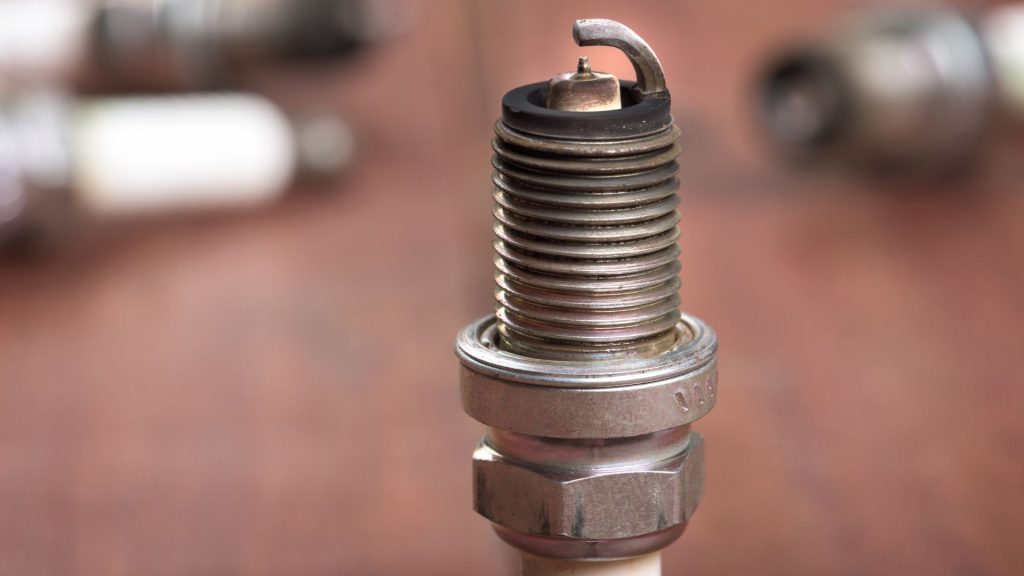
One of the primary causes of cracked spark plugs is excessive heat.
The high temperatures within the combustion chamber can lead to thermal stress, causing the ceramic insulator of the spark plug to crack.
Overheating may result from prolonged high-speed driving, poor engine cooling, or incorrect spark plug heat ratings.
When a plug is not designed to handle extreme temperatures, it becomes susceptible to cracking.
2. Improper Installation:
Improper installation, such as over-tightening or misalignment, can put physical stress on spark plugs.
Over-tightening a spark plug can crack the ceramic insulator during installation, while misalignment may result in uneven wear. Issues like these can impact engine performance, leading some to ask, can a bad spark plug cause a misfire? Addressing spark plug problems early can help prevent further engine trouble.
It’s essential to follow the manufacturer’s torque specifications when installing spark plugs to avoid these troubles.
3. Manufacturing Defects:
While less common, manufacturing defects can also cause spark plugs to crack.
Defective plugs may have structural weaknesses that make them more vulnerable to cracking under normal operating conditions. Always purchase spark plugs from reputable brands to minimize the risk of defects.
4. Engine Knocking and Pre-Ignition:
Engine knocking or pre-ignition can create abnormal pressure waves in the combustion chamber, putting excessive stress on the spark plug.
This stress may lead to cracks, particularly if the plug has already been weakened by other factors. Using the correct fuel grade and keeping the ignition system in good condition helps prevent these issues.
If you have a diesel car I have recently published a post that explains does diesel engine have spark plugs or not.
5. Physical Impact:
Sometimes, physical damage occurs during the installation process or maintenance.
Dropping a spark plug or hitting it against a hard surface can cause tiny cracks in the ceramic, which may not be visible initially but can lead to performance issues over time.
By understanding the causes of cracked spark plugs, you can take steps to prevent damage and maintain consistent engine performance.
Proper installation, using quality parts, and regular vehicle maintenance are key to avoiding these issues.
Spark Plugs are quite different than glow plugs. If you are interested to know about the latter, I have written a dedicated article on the topic.
Symptoms of Cracked Spark Plugs
1. Engine Misfires

Cracked spark plugs can cause the engine to misfire because they fail to generate a consistent spark.
Misfiring sparks are noticeable as the engine runs unevenly, causing it to stutter, especially when accelerating. You might also experience jerky movements while driving, as the engine struggles to maintain a steady combustion cycle.
If your car’s acting up like that, it might be time to check under the hood—or get a pro to do it. Some local shops that handle everything from engine issues to heating and cooling in Burlington KY can spot spark plug problems early and save you a bigger headache down the road.
2. Difficulty Starting the Engine
When a spark plug is cracked, it may not provide the necessary spark for ignition, making it harder to start your car.
If your vehicle is slow to start or doesn’t start on the first try, the problem could be related to damaged spark plugs. Regularly checking your plugs can help identify cracks early.
3. Stalling or Rough Idling
A cracked spark plug leads to inconsistent combustion, which can cause the engine to idle roughly or even stall unexpectedly.
This is particularly evident when your car is stationary, and the engine struggles to maintain a steady rhythm. If you notice rough idling, it’s essential to inspect the spark plugs and other ignition components.
4. Reduced Engine Power and Acceleration
Damaged spark plugs hinder the ignition process, preventing your car from reaching its full power.
You might notice sluggish acceleration, especially when trying to increase speed or overtake another vehicle. This can be dangerous in traffic situations where quick acceleration is necessary.
5. Poor Fuel Efficiency
Inefficient combustion caused by cracked spark plugs means the engine burns more fuel than necessary.
This results in decreased fuel economy, leading to more frequent trips to the petrol station. Keeping your spark plugs in good condition is crucial for maintaining optimal fuel efficiency.
Diagnosing Cracked Spark Plugs
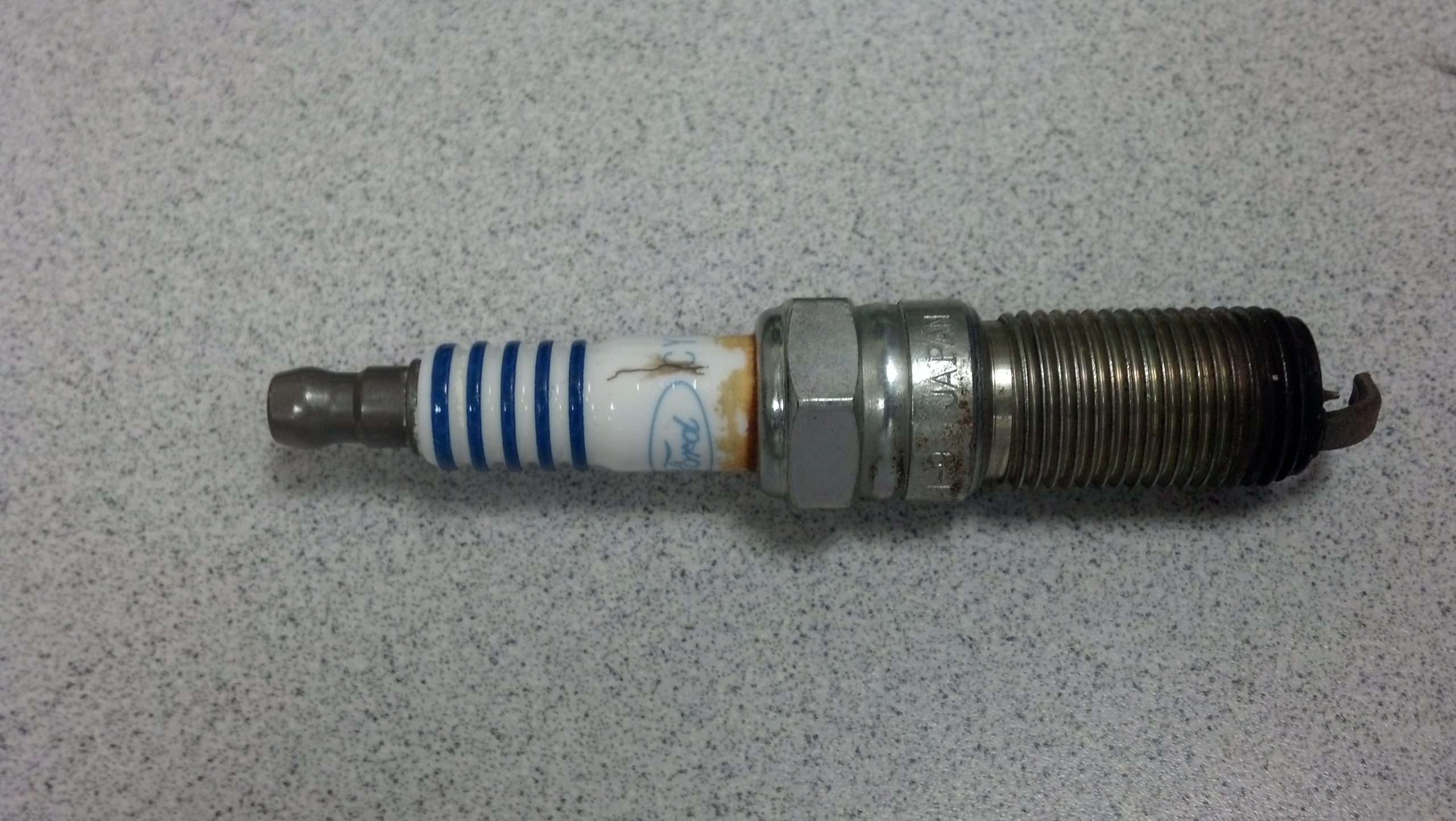
Diagnosing a cracked spark plug involves a visual inspection. Remove the plugs and examine the ceramic insulator for any visible cracks or damage.
Mechanics can also use an ohmmeter to test the electrical resistance of the plugs. If the resistance is outside the normal range, it indicates a problem.
How to Prevent Cracked Spark Plugs
- Regular Maintenance and Inspection: Routine checks can help spot early signs of wear. Replace spark plugs as recommended by your vehicle’s manufacturer.
- Proper Installation: Ensure that spark plugs are correctly installed to prevent cracking. Avoid overtightening, which can cause damage.
- Use Quality Spark Plugs: Opt for high-quality plugs that are designed for your vehicle’s make and model. This reduces the risk of manufacturing defects and ensures durability.
Risks of Ignoring Cracked Spark Plug Symptoms
Overlooking symptoms of cracked spark plugs can lead to more severe engine problems. Misfires and rough idling can strain the engine, causing damage to other components like the catalytic converter.
Prolonged issues may result in costly auto repairs, increased emissions, and unsafe driving conditions. Addressing these symptoms promptly can prevent such risks and maintain your car’s performance.
Frequently Asked Questions:
1. What are the symptoms of a cracked spark plug?
Cracked spark plugs can cause misfires, rough idling, hard starting, reduced power, and poor fuel efficiency.
2. Can a cracked spark plug cause my car to stall?
Yes, cracked spark plugs can lead to inconsistent combustion, causing the engine to stall or run unevenly.
3. How do I prevent my spark plugs from cracking?
Prevent cracked spark plugs by ensuring proper installation, using quality plugs, and performing regular maintenance.
Conclusion
Cracked spark plugs can cause various performance issues, from engine misfires to reduced fuel efficiency.
Recognizing these symptoms early allows for timely diagnosis and replacement, ensuring that your car runs smoothly. Regular maintenance and inspections are key to preventing such problems.
