Transmission fluid is vital for the smooth operation and longevity of your vehicle’s transmission system. It lubricates, cools, and ensures optimal performance of the gears and components.
However, knowing how often to change your transmission fluid can be confusing, as it depends on your vehicle, driving habits, and type of transmission. In this blog, we’ll explore the recommended intervals, signs it’s time for a change, and the benefits of maintaining fresh transmission fluid.
How Often Should You Change Transmission Fluid?
For manual transmissions, change the fluid every 30,000–60,000 miles, and for automatics, every 60,000–100,000 miles.
Key Takeaways
- Change transmission fluid every 30,000–60,000 miles for manual transmissions and 60,000–100,000 miles for automatics.
- Frequent stop-and-go traffic, towing, or off-road driving may require more frequent changes.
- A trusted mechanic ensures the correct type and quality of fluid for your vehicle.
What Is Transmission Fluid and Why Is It Important?

Purpose of Transmission Fluid
Transmission fluid lubricates the moving parts within your transmission system, reducing wear and preventing overheating. It also facilitates smooth gear shifts and helps transfer power from the engine to the wheels. Regular maintenance is essential, especially if you’re nearing the average time to rebuild a transmission, as fluid condition can significantly impact performance and longevity.
Consequences of Old Fluid
Over time, transmission fluid can degrade, losing its ability to cool and lubricate effectively. Dirty or low fluid levels can lead to gear slipping, overheating, or even transmission failure.
How Often Should You Change Transmission Fluid?
Manufacturer Recommendations
Most manufacturers suggest changing transmission fluid every:
- Manual Transmissions: 30,000–60,000 miles.
- Automatic Transmissions: 60,000–100,000 miles.
Always refer to your vehicle’s owner’s manual for the exact interval.
Consider Your Driving Conditions
Harsh conditions may accelerate fluid wear, requiring more frequent changes:
- Towing or Hauling: Puts extra strain on the transmission, causing fluid to break down faster.
- Stop-and-Go Traffic: Generates additional heat, which can degrade fluid quality.
- Off-Road Driving: Exposes the transmission to dirt and debris.
Signs It’s Time to Change Transmission Fluid
1. Difficulty Shifting Gears
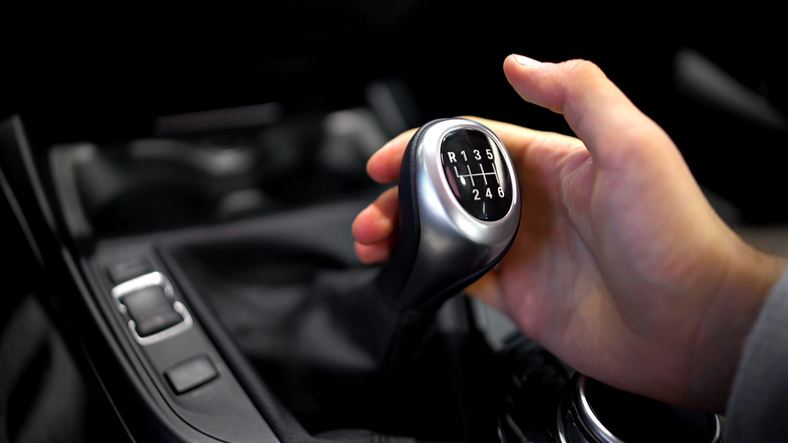
If you notice hesitation, jerking, or hard shifts, your transmission fluid may be old or contaminated.
2. Burning Smell
A burnt odor often indicates overheating fluid that needs replacement.
3. Leaking Fluid
Puddles of red or brown fluid under your car may signal a leak in the system.
4. Unusual Noises
Grinding or whining sounds while driving can point to inadequate lubrication.
5. Dark or Dirty Fluid
Transmission fluid should be bright red or pink. Dark or brown fluid signals contamination and the need for a change.
Why Regular Transmission Fluid Changes Are Essential
Improved Performance
Fresh fluid ensures smoother gear shifts and optimized transmission performance.
Increased Lifespan
Routine fluid changes reduce wear and tear on internal components, extending the life of your transmission.
Cost Savings
Preventative maintenance, such as regular fluid changes, is significantly cheaper than replacing a damaged transmission.
Even with regular fluid changes, things can still go sideways if wear’s already set in. That’s when getting timely transmission repair in Burlington KY can save you from a full-blown breakdown—and a much bigger bill.
DIY vs. Professional Transmission Fluid Changes
DIY Fluid Changes
While it’s possible to change transmission fluid yourself, it can be messy and requires the correct tools and knowledge of your vehicle’s system. Mistakes, such as using the wrong fluid type, can cause damage.
Professional Service
Certified mechanics ensure the job is done correctly. Professionals use specialized equipment to flush out old fluid completely, replace it with manufacturer-approved fluid, and check for leaks or other issues.
Why Choose URBS Garage for Transmission Fluid Changes?

Expertise and Quality Service
URBS Garage employs skilled technicians who specialize in transmission maintenance.
Manufacturer-Approved Fluids
Using the correct type of transmission fluid is critical. URBS Garage ensures compatibility with your vehicle’s specifications.
Comprehensive Inspection
During a fluid change, URBS Garage performs a thorough check of the transmission system to identify potential problems early.
How to Maximise the Benefits of Transmission Fluid Maintenance
- Stick to Recommended Intervals: Follow your manufacturer’s guidelines for fluid changes.
- Monitor Fluid Levels: Regularly check the dipstick to ensure fluid levels and quality.
- Address Leaks Promptly: Small leaks can quickly escalate into major issues.
- Avoid Overheating: Minimise towing and heavy loads when possible to reduce transmission strain.
Frequently Asked Questions
1. How often should I change my transmission fluid?
For manual transmissions, every 30,000–60,000 miles. For automatics, every 60,000–100,000 miles, depending on driving conditions.
2. Can I change my transmission fluid myself?
While it’s possible, it’s recommended to have a professional handle the process to ensure the correct fluid type and thorough service.
3. What happens if I don’t change my transmission fluid?
Old or dirty fluid can cause gear slipping, overheating, and eventual transmission failure, leading to costly repairs.
Conclusion
Regular transmission fluid changes are crucial for maintaining your vehicle’s performance and preventing costly repairs. By adhering to manufacturer recommendations and considering your driving conditions, you can keep your transmission running smoothly for years to come.
Whether you need a fluid change or a comprehensive transmission inspection, URBS Garage provides quality transmission repair in Erlanger KY. Schedule your next transmission fluid change today to ensure your car stays in top shape.
