Proper wheel alignment is often overlooked but plays a crucial role in your vehicle’s performance and lifespan.
Ignoring it can lead to costly repairs and decreased safety.
In this blog, we’ll explain why wheel alignment is so important and how it affects your car’s efficiency, safety, and longevity. Keep reading to learn more!
Is wheel alignment really necessary for My Car Balance?
Tire balancing is an essential maintenance step that helps ensure even tire wear, a smoother ride, and improved fuel efficiency. Here’s a quick Tire Balancing Price Guide to help you understand what to expect:
Standard Tire Balancing: $15 – $25 per tire
Road Force Balancing (more advanced and precise): $25 – $60 per tire
Full Set Balancing (All 4 Tires): $60 – $100 (standard service)
Included in Tire Purchase: Many tire retailers offer free lifetime balancing when you buy a new set of tires from them.
The exact cost may vary based on your vehicle type, tire size, and local labor rates, but keeping your tires properly balanced helps avoid uneven tread wear and steering issues—saving you money in the long run.
Key Takeaways
- Improved Safety: Proper wheel alignment ensures your vehicle drives straight and prevents uneven tyre wear, reducing the risk of accidents.
- Increased Fuel Efficiency: Correct alignment decreases rolling resistance, improving your car’s fuel economy.
- Cost Savings: Regular alignment helps extend the life of your tyres, saving you money on replacements and repairs.
What is Wheel Alignment and Why Is It Necessary?
Wheel alignment involves adjusting the angles of your vehicle’s wheels to ensure they are properly aligned with each other and the road.
These angles, including camber, caster, and toe, affect how your car drives and handles. Just like asking what kind of maintenance does a hybrid car need, understanding alignment is key to keeping your vehicle efficient and safe.
1. What Does Proper Wheel Alignment Do?
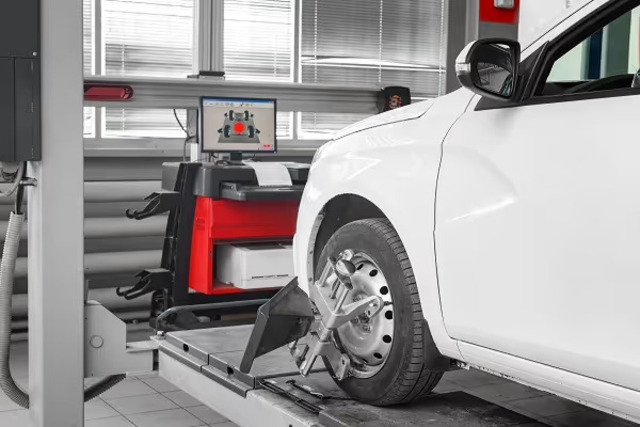
When your car’s wheels are correctly aligned, it ensures that the tyres make optimal contact with the road. This leads to several benefits:
- Reduced Tyre Wear: Misaligned wheels cause tyres to wear unevenly, which can shorten their lifespan and increase the frequency of replacements.
- Improved Handling: Proper alignment ensures your car drives straight and handles well, especially in turns or when braking.
- Better Fuel Efficiency: When wheels are misaligned, they create drag, causing the engine to work harder. Correct alignment reduces this resistance, improving fuel efficiency.
- Why Is Proper Wheel Alignment Necessary for Your Vehicle?
Some car owners might assume that wheel alignment is just a part of regular maintenance and that it’s not that important.
But the truth is, alignment is critical for both vehicle safety and performance. Here’s why:
2. Safety and Control
A vehicle that’s misaligned will pull to one side, making it difficult to keep the car on a straight path.
This can be particularly dangerous on highways, where even a slight deviation from a straight line can lead to accidents.
Proper alignment ensures that your car tracks straight, reducing the risk of losing control, especially in emergency situations or during high-speed driving.
3. Effect on Handling
When your wheels are properly aligned, you can confidently navigate corners, maintain control, and feel stable while driving.
Misalignment can cause the car to feel “loose” or “unsteady,” especially when you’re steering at higher speeds. This compromises your ability to drive safely and comfortably.
4. Extended Tyre Life
One of the most immediate and noticeable effects of poor alignment is uneven tyre wear. Misaligned wheels cause certain parts of the tyre to bear more weight than others, leading to rapid wear and tear.
If left unchecked, this can lead to the need for early tyre replacement, which can be expensive.
By ensuring your wheels are aligned properly, you extend the life of your tyres, saving you money in the long run.
5. Signs of Uneven Tyre Wear
- Excessive wear on one side of the tyre
- Tread wear that looks uneven across the tyre’s surface
- Bald patches on the tyres
If you notice any of these signs, it’s time to get your alignment checked.
6. Better Fuel Economy
When your wheels are misaligned, they create additional friction with the road. This extra drag forces your engine to work harder, consuming more fuel to maintain the same speed.
In fact, poor wheel alignment can reduce your vehicle’s fuel efficiency by up to 10%.
By regularly getting your wheels aligned, you can improve your car’s fuel efficiency, which translates into cost savings on fuel.
7. How Does Misalignment Affect Fuel Economy?
Misaligned wheels cause resistance between your tyres and the road. This additional friction means your engine needs to exert more effort, which leads to higher fuel consumption.
A correctly aligned vehicle runs smoothly and efficiently, reducing drag and improving miles per gallon (MPG).
When Do You Need a Wheel Alignment?
Knowing when your car needs an alignment is crucial to maintaining optimal performance. There are a few key signs that indicate your vehicle might be out of alignment:
1. Your Car Pulls to One Side
If your vehicle consistently pulls to the left or right while driving straight, it’s a clear sign that the alignment is off.
This is particularly noticeable on highways or flat roads where your car should drive in a straight line without any effort on your part.
If your car is pulling to one side, it’s time to have the alignment checked.
2. Uneven or Rapid Tyre Wear
If you notice that your tyres are wearing unevenly or that they seem to be bald on one side more than the other, it’s another indicator of misalignment.
Tyres are meant to wear evenly, so any noticeable unevenness suggests that there is an issue with your car’s alignment. Ignoring this can lead to costly tyre replacements.
3. Steering Wheel Is Off-Center
If you find that your steering wheel is tilted to one side when you’re driving straight, it’s a sign that the wheels are not properly aligned.
This can cause your car to veer slightly, making driving less comfortable and more tiring.
4. Vibrations While Driving
If your steering wheel vibrates or feels jittery, especially at higher speeds, it might indicate that your car’s alignment is off.
The misalignment causes the vehicle to wobble or shake, and the vibrations can transfer to the steering wheel.
How Often Should You Get Your Wheel Alignment Checked?
The frequency of your wheel alignment checks depends on your driving habits and the condition of your vehicle.
However, most experts recommend getting your wheels aligned every 2 to 3 years, or around 12,000 to 15,000 miles.
1. After Installing New Tyres
Average Miles Before Replacing Tires: On average, most tires need to be replaced every 25,000 to 50,000 miles, depending on the tire brand, driving habits, road conditions, and maintenance practices. If you’ve recently installed new tires, it’s a smart move to get a wheel alignment. Proper alignment ensures even tread wear from the start, helping your tires last longer and perform better throughout their lifespan. Regular rotations, maintaining the correct tire pressure, and visual inspections are also key to maximizing the mileage you get from your tires.
2. After Major Impact
If you’ve hit a large pothole, a curb, or been involved in a minor accident, you should get your alignment checked.
Even a small bump can knock your wheels out of alignment, and addressing the issue promptly can prevent further damage.
3. After Suspension Repairs
If you’ve recently had suspension work done, such as replacing struts or shock absorbers, getting an alignment is crucial.
Suspension changes can easily throw off the alignment, so checking it after repairs is a good practice.
Can You Drive with Misaligned Wheels?
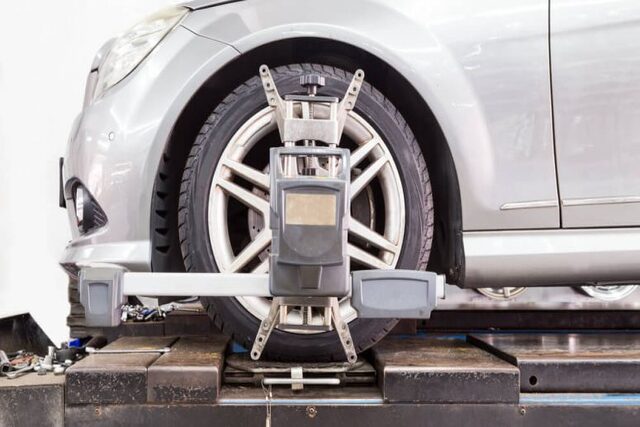
While it’s possible to drive with misaligned wheels, it’s highly discouraged. Driving with misaligned wheels can lead to:
- Increased tyre wear: You’ll have to replace tyres much sooner.
- Reduced fuel efficiency: Your car will consume more fuel due to the increased drag.
- Decreased safety: It’s harder to control a vehicle with poor alignment, especially when making turns or during emergency braking.
Addressing misalignment early will save you from these issues and help your car run better in the long run.
How to Get Your Wheels Aligned
Getting your car’s wheels aligned is a straightforward process, but it’s best left to professionals. Here’s a brief overview of what happens during the alignment:
- Inspection: A technician will inspect your car’s tyres and suspension system to check for signs of wear or damage.
- Measurement: Using specialised equipment, the technician measures the angles of the wheels to ensure they match the manufacturer’s specifications.
- Adjustment: If any of the angles are off, the technician will adjust them to align the wheels correctly.
- Test Drive: After the adjustments, the technician may take your car for a test drive to ensure everything is functioning properly.
Keeping up with maintenance also includes fixing small paint damage early before it spreads.
Frequently Asked Questions
1. How do I know if my car needs a wheel alignment?
Signs of misalignment include your car pulling to one side, uneven tyre wear, a crooked steering wheel, and vibrations in the steering wheel.
2. How often should I get my wheel alignment checked?
It’s generally recommended to get a wheel alignment check every 2 to 3 years or 12,000 to 15,000 miles, and after specific driving events like hitting a pothole.
3. Can a wheel alignment improve fuel efficiency?
Yes! Proper alignment reduces drag, allowing your vehicle to operate more efficiently and improving fuel economy.
Conclusion
Wheel alignment is not just a minor maintenance task; it’s essential for your car’s overall performance, safety, and longevity.
By ensuring your wheels are properly aligned, you’ll enjoy better handling, a smoother ride, and extended tyre life.
Regular alignments also contribute to improved fuel efficiency, making them an affordable and effective way to maintain your car’s health.
Keeping your vehicle in top condition also means protecting its exterior, and this paint chip repair guide explains how to do it correctly.
