
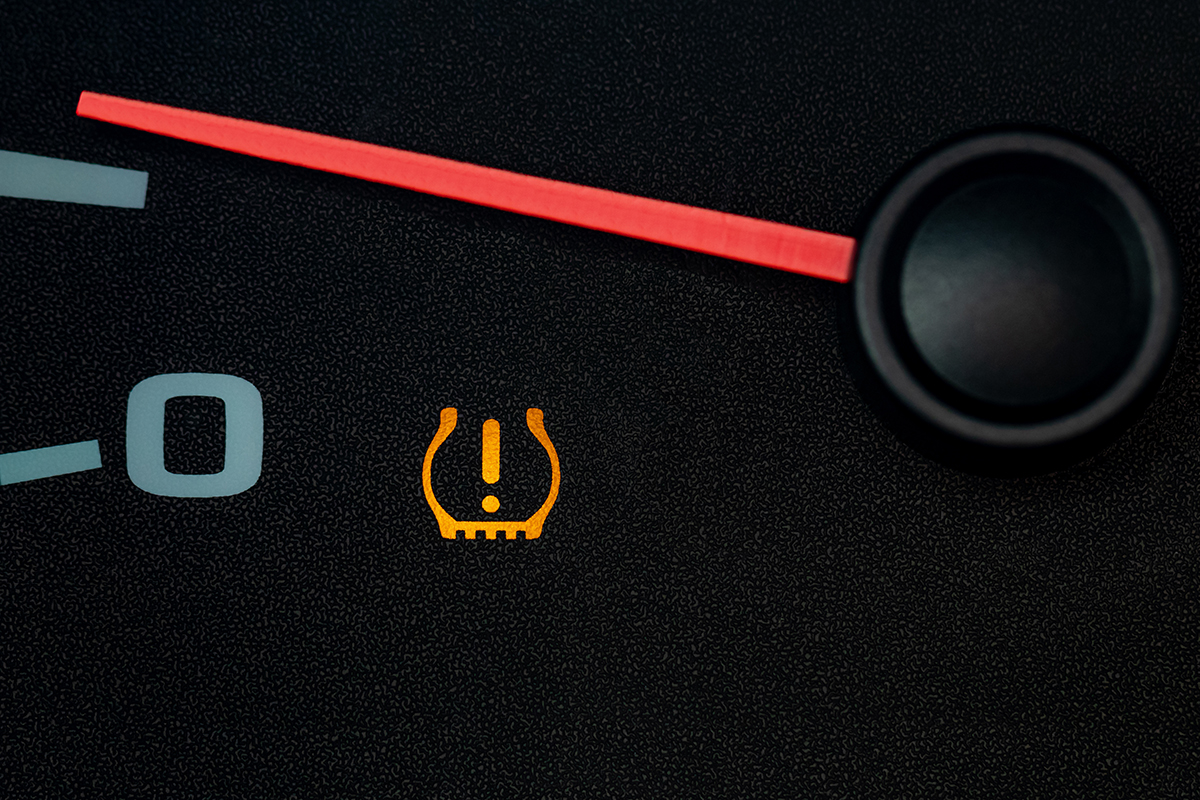
The “Service Tire Monitor System” message on your dashboard can be confusing, especially if you’re unsure what it indicates. This warning is part of your car’s Tire Pressure Monitoring System (TPMS), designed to monitor tire pressure and alert you to any issues.
Understanding why this message appears and how to fix it is key to keeping your vehicle safe and running well. If a timing belt issue is the cause, this guide will help you diagnose the problem and explore possible solutions.
What does the Service Tire Monitor System mean?
The Service Tire Monitor System means there is a problem with the Tire Pressure Monitoring System (TPMS), possibly due to low tire pressure, faulty sensors, or issues with the control module.
Key Takeaways
- Service Tire Monitor System warnings indicate issues with TPMS sensors or low tire pressure.
- Common causes include low pressure, faulty sensors, or control module problems.
- Regular tire maintenance can help prevent TPMS alerts.
- Professional diagnostics can resolve persistent issues.
What Is a Tire Monitor System?

A Tire Pressure Monitoring System (TPMS) is an electronic system that measures air pressure in each tire.
It notifies the driver if the tire pressure drops below the recommended level, ensuring safe driving conditions. Proper tire pressure is crucial for fuel efficiency, tire longevity, and safety on the road.
Without a functioning TPMS, you could miss slow air leaks—raising the risk of tire blowouts or unstable handling. That’s why services like ECU programming in Erlanger, KY, can play a role in keeping systems in sync.
What Does Service Tire Monitor System Mean?
When the dashboard displays “Service Tire Monitor System,” it suggests there’s an issue with the TPMS.
This is different from a simple tire pressure warning, which indicates that one or more tires are underinflated.
The “service” alert signals a problem that requires attention, such as a malfunctioning sensor, dead battery, or issues with the control module.
Common Reasons for “Service Tire Monitor System” Warning
1. Low Tire Pressure
Explanation:
The most straightforward reason for the alert is low tire pressure. This can be caused by normal air loss, punctures, or changes in temperature. What to do if there’s a nail in your tire? First, don’t remove the nail. Doing so could cause rapid air loss.
Instead, check the tire pressure and inflate it if needed. Then, drive carefully to a nearby tire repair shop to have it inspected and properly patched or replaced if necessary. Ignoring it could lead to a flat or blowout.
Solution:
Check the tire pressure and ensure it matches the manufacturer’s recommended level. If low, inflate the tires to the correct pressure.
For consistent monitoring and servicing, consider visiting Urb’s Garage. If the damage was from hitting something hard, it might not just be the tire that took a hit. Shops that handle collision repair in Erlanger KY can check for hidden frame or suspension issues that aren’t obvious but could mess with your ride long-term.
2. Faulty TPMS Sensors
How Sensors Work:
TPMS sensors are small devices inside each tire that measure air pressure and send data to the car’s computer.
If a sensor is damaged or fails, it may cause a “service” alert.
Solution:
Have the sensors inspected and replaced if necessary. Regular tire maintenance can help detect sensor problems early and prevent unexpected alerts.
3. Dead or Weak Sensor Batteries
Role of Batteries:
TPMS sensors rely on small batteries to function. Over time, these batteries can weaken or die, causing the system to misread tire pressure or lose connection.
Solution:
Replace the batteries during routine tire changes or when they start showing signs of failure.
Professional service centers can test sensor battery life and recommend replacements. If the battery is in a weak condition, you can consider our service of car battery installation in Burlington KY where we deal with any kind of battery issues of a vehicle.
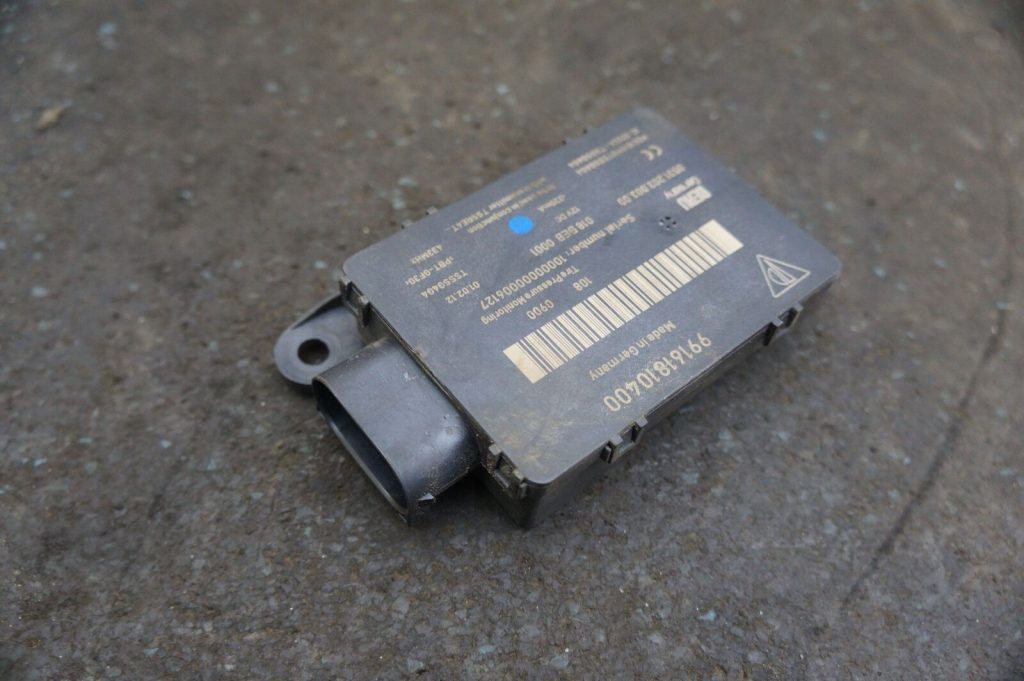
4. Problems with the TPMS Control Module
What It Does:
The control module processes information from the TPMS sensors.
If there’s an issue with the module, it might misinterpret data or fail to communicate with the sensors properly.
Solution:
Diagnosing control module issues requires professional expertise.
5. Damaged or Incorrectly Installed Tires
Impact on TPMS:
Changing tires without properly installing the sensors or using incompatible tires can interfere with the TPMS. Damaged tires can also disrupt sensor signals. Slow tire leak causes can include issues such as punctures, valve stem leaks, bead seat leaks, or even problems with the tire’s sidewall. A slow leak may not be immediately noticeable, but over time it can lead to tire deflation and decreased performance.
Solution:
Ensure that all tire replacements and installations are done correctly. Using compatible tires and properly calibrating the sensors can prevent TPMS alerts.
Diagnosing and Fixing the Service Tire Monitor System Warning
To diagnose why your TPMS warning is active, start by checking the tire pressure on all four tires. If the issue persists, inspect the sensors for signs of damage.
Resetting the TPMS can sometimes clear minor errors, but for more complex issues, seek professional diagnostics. Expert services can accurately identify and repair TPMS problems, ensuring reliable performance.
Preventive Measures to Avoid TPMS Warnings
- Regular Tire Pressure Checks: Make it a habit to check tire pressure monthly. Properly inflated tires prevent TPMS warnings and improve fuel efficiency.
- Routine Sensor Maintenance: During tire rotations or replacements, ask the technician to inspect the sensors and replace any that are showing signs of wear.
- Change Batteries During Tire Services: Replacing sensor batteries during regular tire changes can help avoid sudden TPMS failures.
Frequently Asked Questions:
1. What does the Service Tire Monitor System mean?
It indicates a problem with the TPMS, such as low tire pressure, faulty sensors, or control module issues.
2. Can I drive with the Service Tire Monitor System warning on?
While it’s possible, it’s not recommended as it can signal tire pressure issues or sensor problems that need attention.
3. How do I reset the Service Tire Monitor System warning?
Check tire pressure, inspect sensors, and consult your vehicle’s manual for reset instructions. If unresolved, seek professional diagnostics.
Conclusion
The Service Tire Monitor System message is more than just an inconvenience; it’s an essential part of your vehicle’s safety features. Addressing issues as soon as the warning appears can prevent accidents, improve fuel efficiency, and extend tire life. After performing maintenance like a tire rotation, it’s important to reset tire pressure sensors after rotation to ensure accurate readings and maintain optimal vehicle performance. Ignoring this step can lead to incorrect pressure alerts and potential tire wear issues.
Regular maintenance and timely repairs can keep your TPMS functioning correctly, ensuring you always have a safe and smooth drive.
