
Adding oil to a car engine is a routine part of vehicle maintenance, but it’s not as simple as just pouring oil into the engine. One of the common questions many drivers ask is, “Can you put oil in a hot engine?”
The answer to this depends on several factors, including the temperature of the engine, the type of oil you’re using, and the overall condition of your vehicle.
While it’s essential to keep your engine properly lubricated, it’s equally important to understand how engine temperature can affect the oil and its performance. Modern tools like automotive fleet maintenance software can help track these factors more efficiently.
Can You Put Oil in a Hot Engine?
Adding oil to a hot engine is not recommended due to several risks. When the engine is hot, the oil expands, making it difficult to get an accurate oil level reading.
Key Takeaways:
- Risk of Burning: Adding oil to a hot engine may lead to burns due to the engine’s high temperature.
- Oil Expansion: Oil expands when hot, making it difficult to gauge the proper oil level and potentially causing overfilling.
- Allow Cooling Time: It’s safer to let the engine cool down before adding oil to prevent damage and ensure accurate readings.
Why Engine Temperature Matters When Adding Oil
Before answering whether it’s safe to add oil to a hot engine, it’s essential to understand how engine temperature affects the oil.
The engine oil plays a vital role in lubricating the moving parts of the engine, reducing friction, and ensuring smooth operation. However, oil behaves differently depending on whether the engine is hot or cold.
Oil at High Temperatures

When the engine is running, the oil gets heated up and expands. This means that hot oil is thinner and more fluid than cold oil, and it can behave quite differently.
If you add oil to a hot engine, there’s a chance that the oil may overfill the engine, as the oil’s volume could fluctuate due to the heat. Additionally, adding oil to a hot engine can cause the oil to burn off, which can lead to unnecessary smoke and waste.
In extreme cases, a hot engine can cause the oil to foam, cutting down on lubrication. This can lead to engine components grinding against each other, accelerating wear and potentially leading to issues that may require timing chain replacement in Finneytown.
Oil at Low Temperatures
On the flip side, if your engine is too cold, the oil will be much thicker, and it will be harder to circulate. This can make it harder for the oil to flow through the engine properly and may lead to poor lubrication.
In general, adding oil when the engine is cool or at room temperature is best for accurate oil readings and optimal engine health.
Whenever you are in doubt, just book our services with ASE certified technicians in Monfort Heights and they’ll help you out. We are a certified auto repair shop in Monfort Heights and have delivered high quality services to thousands of customers till now.
What Happens When You Add Oil to a Hot Engine?
Adding oil to a hot engine can result in a few undesirable outcomes. First, it’s important to understand how adding oil works. Most cars have an oil dipstick that allows you to measure the oil level before adding more.
If you add oil while the engine is hot, the oil reading could be skewed. Hot oil expands, which means it might not show the true oil level.
Moreover, when you add oil to a hot engine, the oil could bubble or foam. This can cause inconsistencies in oil distribution, leading to inefficient lubrication. Over time, this can lead to excessive engine wear and performance issues.
Possible Risks of Adding Oil to a Hot Engine:
Burn Risk: The engine is hot, and the oil will also be heated. If you’re not careful, you could risk burns when handling the oil cap or spillage.
Overfilling: As mentioned, oil expands when heated. Adding oil to a hot engine could cause the oil to rise above the required level, leading to overfilling.
Inconsistent Oil Flow: Oil is thinner at high temperatures, and adding it to a hot engine could lead to irregular distribution, which is not optimal for engine health.
The Right Way to Add Oil to a Hot Engine
If you find that your oil levels are low and your engine is hot, it’s best to take the following precautions:
Let the Engine Cool: If possible, allow the engine to cool for a few minutes before adding oil. This will help prevent burns and give you a more accurate reading on the dipstick.
Check Oil Level: Before adding oil, make sure you’ve checked the oil level with the dipstick. If the engine is too hot, you might want to wait until it cools slightly to get a better reading.
Add the Correct Type and Amount of Oil: Always use the oil specified in your vehicle’s owner’s manual. Pour it slowly, and make sure you don’t overfill the engine.
If you are just starting to use car and don’t know much about oil change, I have recently published an article that explains what to do If engine oil is low.
Why It’s Better to Let the Engine Cool Before Adding Oil
When performing routine maintenance on your vehicle, one of the tasks that require attention is checking and adding engine oil. While it might seem straightforward, there are a few important steps that you need to follow to ensure you’re doing it correctly.
A common question many car owners ask is whether they should add oil while the engine is hot or cold. Experts generally recommend letting the engine cool before adding oil, and there are several good reasons for this.
1. Safety First: Avoiding Burns
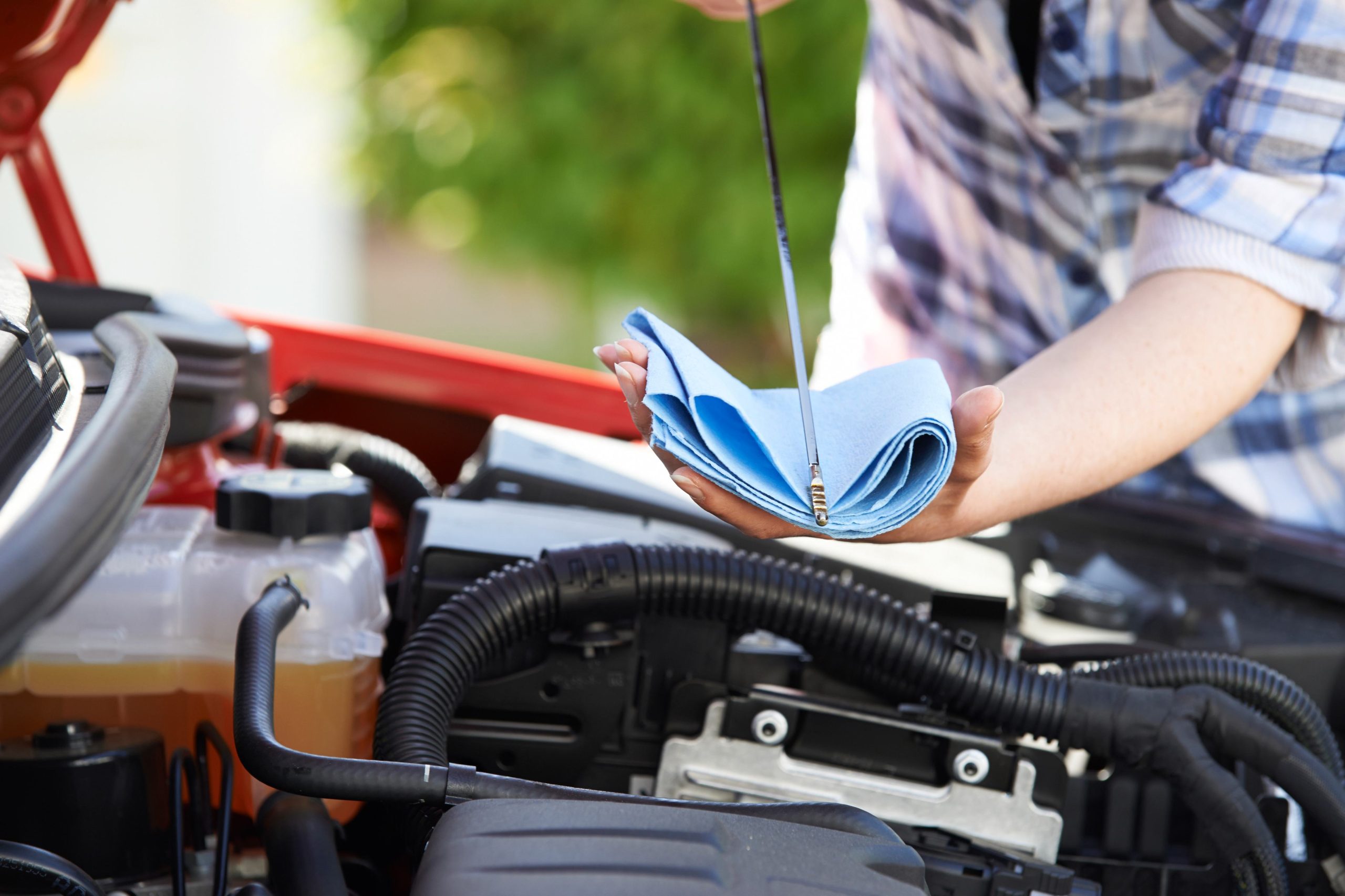
One of the most immediate and important reasons to let the engine cool before adding oil is safety. After running for a while, the engine components, including the engine block, oil, and various parts, can become extremely hot.
Adding oil to a hot engine could result in burns if you accidentally touch a hot part of the engine while performing the task. Letting the engine cool for a few minutes ensures that you reduce the risk of injury.
2. Accuracy of Oil Level Reading
The accuracy of your oil level reading can be compromised if you check or add oil while the engine is still hot. When an engine is running or recently turned off, the oil is often thinner and may not settle properly, causing an inaccurate oil level reading.
If you add oil when the engine is hot, you might end up overfilling or underfilling the oil, which can lead to engine problems down the line.
When the engine cools down, the oil has a chance to settle, making it easier to get an accurate reading on the dipstick. This is especially important for ensuring the right oil levels, as both overfilling and underfilling can lead to engine damage.
3. Risks of Overfilling Oil
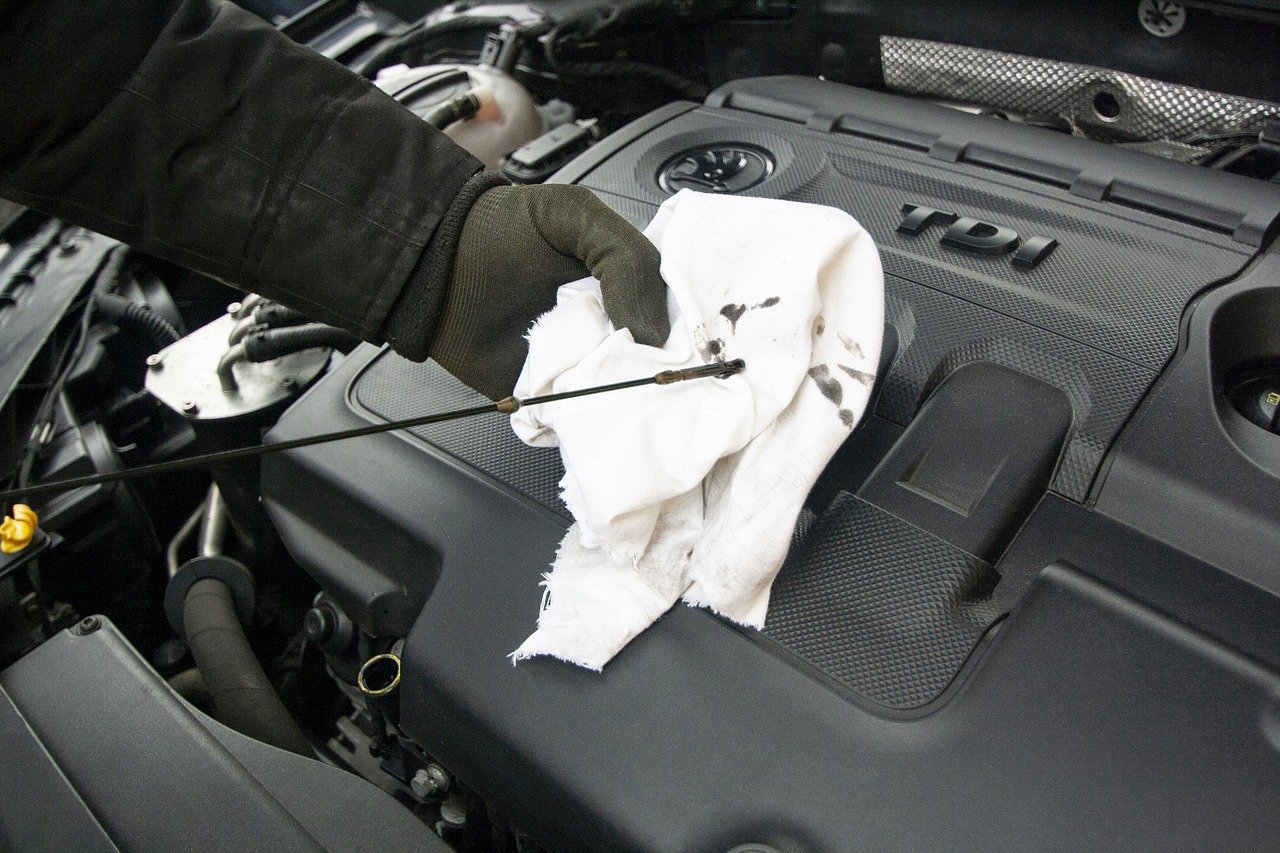
If you happen to add oil when the engine is hot and the oil level seems low, you may be tempted to overfill the engine to compensate. However, overfilling the oil can create several issues. Excess oil can cause internal pressure to build up in the engine, potentially leading to leaks or damage to seals and gaskets.
Moreover, too much oil can cause the oil to foam or froth as the engine runs, which will reduce the oil’s ability to lubricate the moving parts effectively.
This can lead to the engine working harder than it needs to, causing unnecessary wear and tear. In severe cases, overfilling oil could lead to damage that requires expensive repairs, so it’s important to add oil only when the engine is cool and you have an accurate level reading.
4. Avoid Foaming and Reduced Lubrication
Another reason to let your engine cool before adding oil is to avoid the risk of foaming. When oil is added to a hot engine, the high temperatures can cause it to froth or foam.
Foaming reduces the oil’s ability to lubricate the engine effectively, which can lead to increased friction and potential damage to the engine’s internal components.
When oil foams, it can also create bubbles that cause the oil to become aerated. As a result, the oil no longer provides the necessary protection against wear, which could cause parts of the engine to grind against each other.
By allowing the engine to cool before adding oil, you reduce the chances of foaming and ensure that the oil maintains its proper lubricating properties.
Best Practices for Adding Oil to Your Engine
Adding oil to your car is a simple process, but following the right procedures is essential to ensure that the engine stays in optimal condition. Here are some best practices to follow when adding oil:
1. Check Oil Regularly

One of the most important practices for keeping your engine running smoothly is to check the oil regularly. Make it a habit to check your oil level every month or before embarking on long trips.
The more frequently you check the oil, the easier it will be to spot any potential issues such as low oil levels or oil degradation.
If you’re unsure of how often to check or change the oil, consult your vehicle’s manual for guidance on the recommended oil change intervals and the type of oil suited for your car.
2. Allow the Engine to Cool
Before adding oil, especially after long drives, it’s a good idea to allow the engine to cool down a bit. After turning off the car, give it about 10-15 minutes to cool before checking or adding oil.
This ensures that you get an accurate reading on the dipstick and reduces the risk of burns. It also allows the oil to settle, providing a more precise measure of the current oil level.
3. Use the Right Oil
Always use the oil recommended by your car’s manufacturer. Different engines require different types of oil, depending on factors such as engine size, age, and operating conditions.
Using the wrong oil can negatively impact engine performance, reduce fuel efficiency, and cause premature wear. Additionally, synthetic oils are often recommended for modern engines due to their superior performance and protection against high temperatures.
Refer to your vehicle’s owner’s manual for the exact oil type and specifications.
4. Be Careful with Overfilling
While it may be tempting to add extra oil if you think your engine is running low, it’s essential to avoid overfilling.
Always ensure that you are adding the right amount of oil, as overfilling can cause various issues, including increased pressure in the engine and reduced lubrication efficiency.
After adding the oil, check the level again using the dipstick to ensure that it’s within the optimal range. If you’re unsure, it’s always better to add a little less oil than to risk overfilling.
5. Dispose of Used Oil Properly
When changing the oil, it’s important to dispose of the used oil properly. Used motor oil can be harmful to the environment, so never dispose of it in a regular trash bin or pour it down the drain.
Many auto shops and service stations accept used motor oil for recycling. Some retailers even offer oil disposal services for free. Ensuring that the used oil is recycled properly helps protect the environment and conserves valuable resources.
Frequently Asked Questions
1. Can I add oil to my car when the engine is hot?
It’s not recommended to add oil to a hot engine, as the oil could expand, and you may get an inaccurate reading. It’s better to let the engine cool down slightly for more accurate oil levels.
2. Is it okay to check the oil when the engine is hot?
It’s best to let the engine cool for a few minutes before checking the oil to ensure an accurate reading. Checking oil when the engine is too hot can result in inaccurate readings.
3. How often should I check my car’s oil?
Regularly checking your car’s oil level is essential. It’s generally recommended to check it every 3,000 to 5,000 miles or as directed in your vehicle’s owner’s manual.
Conclusion
In summary, while adding oil to your engine is an essential part of vehicle maintenance, it’s crucial to be mindful of the engine’s temperature.
Adding oil to a hot engine may lead to inaccurate readings, burns, and potential damage due to overfilling or poor oil flow. It’s always best to let the engine cool for a few minutes before adding oil, ensuring that the oil level is accurate and the engine remains in good health.
If you’re unsure about the condition of your oil or if you need help adding oil to your car, don’t hesitate to consult a professional. Proper maintenance, including regularly checking and replacing the oil, is key to ensuring your engine runs smoothly and efficiently for years to come.
