It’s frustrating and concerning when your car starts overheating as soon as you switch on the AC. This issue could indicate underlying problems within the cooling system, and ignoring it can lead to more severe engine damage.
In this article, we will explore the common reasons behind this problem, how the car’s cooling system operates, and practical solutions to keep your car running smoothly, even with the AC on.
Why Car Overheats When AC Is On
A car overheats when the AC is on due to added load on the engine, which strains the cooling system. This can happen if components like the radiator, water pump, or cooling fans are faulty.
Key Takeaways
- Overheating when the AC is on can be due to insufficient coolant, faulty fans, or blocked condensers.
- Diagnosing issues early prevents serious engine damage.
- Regular maintenance of the cooling and AC systems ensures reliable performance.
How the Car’s Cooling System Works
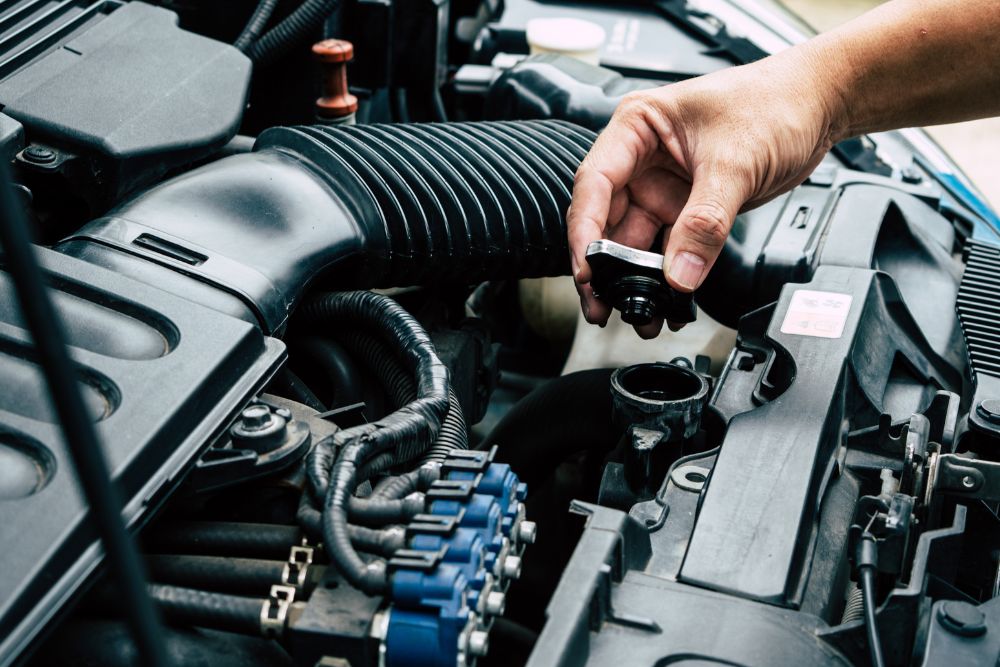
Your car’s cooling system is designed to maintain a stable engine temperature by circulating coolant through various components.
The key parts include the radiator, water pump, thermostat, and fans. When the AC is running, it puts an additional load on the engine, generating extra heat.
Ideally, the cooling system should manage this, but if there’s an issue, the engine may overheat.
Common Reasons Why a Car Overheats When AC Is On
1. Insufficient Coolant Levels
- Cause: Coolant absorbs heat from the engine and dissipates it through the radiator. If the coolant level is low, it cannot regulate the engine temperature effectively, leading to overheating.
- Symptoms: Frequent overheating, especially with the AC on, and a visible low coolant level.
- Solution: Regularly check and top up the coolant. If the coolant level drops frequently, it might indicate a leak, which should be inspected by a professional mechanic at places like Urb’s Garage.
Sometimes, persistent overheating isn’t just about coolant—it could point to electrical issues messing with your system. Getting a quick checkup or car ignition repair in Burlington KY might uncover a hidden fault that’s throwing everything off when your AC kicks in.
2. Faulty Radiator or Radiator Fan
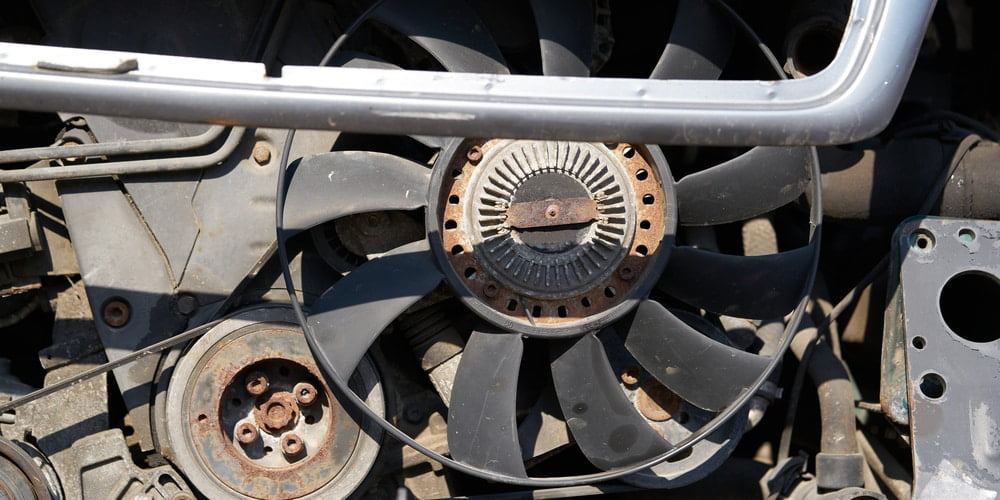
- Cause: The radiator dissipates heat from the coolant. If it’s clogged, leaking, or the fan is malfunctioning, it won’t cool the engine effectively. The radiator fan also helps pull air through the radiator, particularly when the car is idling or moving slowly.
- Symptoms: Temperature gauge rising quickly, visible leaks, or a damaged radiator fan.
- Solution: Have the radiator cleaned, repaired, or replaced if necessary.
Ensure the radiator fan is working properly, as a faulty fan can exacerbate the problem when the AC is running.
If your car AC stopped working suddenly, you can read our guide to overcome the issue.
3. Malfunctioning Water Pump
- Cause: The water pump plays a vital role in your vehicle’s cooling system by circulating coolant through the engine and radiator. When the water pump fails, the coolant can’t flow properly, leading to rapid engine overheating and potential long-term damage. If you notice signs like steam from the hood, high temperature readings, or coolant leaks, it’s time to get your system checked. Trust Urb’s Garage for expert radiator repair service—we’ll inspect the entire cooling system, including the water pump, to ensure your engine stays protected and performs at its best.
- Symptoms: Coolant leaks near the water pump, high-pitched whining noises, or engine overheating.
- Solution: Replace the water pump if it’s faulty. It’s best to get this done by a certified technician to ensure proper installation.
4. Bad Thermostat
- Cause: The thermostat regulates coolant flow based on engine temperature. If it’s stuck closed, the coolant cannot circulate, leading to overheating.
- Symptoms: Temperature gauge rapidly moving to the red zone, especially after turning on the AC.
- Solution: Replace the thermostat. This is a relatively inexpensive fix but crucial for maintaining engine health.
5. Defective Cooling Fan or AC Condenser Fan
- Cause: The radiator cooling fan and the AC condenser fan both play vital roles in cooling the engine and AC system. If either fan fails, the car may overheat, especially when the AC is on.
- Symptoms: The AC may blow warm air, and the engine may overheat, particularly when the car is stationary.
- Solution: Check both fans for any visible damage and have them tested. Replacement may be necessary if they are not functioning properly.
6. Problems with the AC Compressor

- Cause: The AC compressor increases the engine load, and if it’s faulty, it can cause the engine to overheat. The compressor can also trigger overheating if it’s drawing excessive power.
- Symptoms: Unusual noises when the AC is on, AC not cooling effectively, and engine temperature rising.
- Solution: Repair or replace the AC compressor. Regular maintenance can help prevent compressor issues.
7. Blocked or Dirty AC Condenser
- Cause: The AC condenser cools down the refrigerant, and if it’s blocked by debris or dirty, it cannot release heat effectively, causing the engine to overheat.
- Symptoms: AC blowing warm air, and the car overheating, especially when moving slowly.
- Solution: Regularly clean the condenser and ensure it’s free from obstructions. If necessary, have it inspected and serviced by experts.
8. Overloaded Engine

- Cause: Running multiple systems, including the AC, puts extra stress on the engine. An overloaded engine can overheat if the cooling system isn’t functioning efficiently.
- Symptoms: Engine struggling, decreased power, and overheating when the AC is on.
- Solution: Address underlying issues such as a weak cooling system or other mechanical faults to prevent engine overload.
9. Faulty or Old Belts
- Cause: Belts drive various components, including the water pump and AC compressor. If they are worn out or loose, they can fail to function properly, leading to overheating.
- Symptoms: Squealing noises, visible wear on belts, and engine overheating.
- Solution: Regularly inspect belts for signs of wear and replace them as needed. Belts should be tight and in good condition to ensure efficient operation.
Diagnosing the Problem
To determine why your car is overheating when the air conditioning coolant system is running, begin by checking the coolant level and inspecting key components like the radiator and belts. It’s also helpful to understand what is a timing belt on a car, as a worn or faulty belt can sometimes contribute to engine overheating.
If you can’t find the issue, it’s best to visit a reliable auto shop like Urb’s Garage for a thorough inspection. We provide comprehensive Auto AC Repair in Burlington, KY, and pinpoint the exact cause and recommend the necessary repairs.
Effective Solutions to Prevent Overheating
1. Regular Coolant Checks and Flushing
Keeping the coolant at the proper level and flushing the system regularly ensures optimal performance and prevents blockages that can lead to overheating.
2. Regular Inspection and Cleaning of Radiator and Condenser
Ensure the radiator and condenser are clean and free from blockages.
Regular cleaning can improve cooling efficiency and prevent overheating. I have recently shared the importance of perfect condition condensers when your car AC isn’t blowing cold air.
3. Repairing or Replacing Faulty Parts
Timely repair or replacement of malfunctioning parts such as the water pump, radiator fan, and thermostat can prevent more extensive and expensive issues later.
4. Regular Belt Inspections
Check belts for wear and replace them if they appear damaged. Properly functioning belts ensure the efficient operation of cooling and AC systems.
Preventive Maintenance Tips
- Schedule regular servicing of your car’s cooling system and AC.
- Keep coolant levels in check and inspect for leaks.
- Clean the radiator and condenser to prevent blockages.
- Visit a trusted repair shop like Urb’s Garage for routine checks to avoid sudden breakdowns and overheating.
Risks of Ignoring Overheating Problems
If your car frequently overheats when the AC is on, ignoring it can lead to severe engine damage. Overheating can warp engine components, damage the head gasket, and result in costly repairs. In such cases, you might wonder, “How long does it take to fix a car AC?” The answer depends on the underlying issue, but it’s crucial to address it promptly to prevent further damage.
It’s crucial to address overheating problems promptly to ensure safety and avoid high repair costs.
Frequently Asked Questions:
1. Why does my car overheat only when the AC is on?
Running the AC adds extra load to the engine, which can cause overheating if there are underlying cooling system issues.
2. Can low coolant cause my car to overheat when the AC is on?
Yes, low coolant prevents the engine from cooling properly, leading to overheating, especially with the AC running.
3. How can I fix my car overheating when the AC is on?
Check coolant levels, clean the radiator and condenser, and inspect the water pump and fans. For persistent issues, seek professional diagnostics.
Conclusion
Your car overheating when the AC is on can be a red flag that your cooling system isn’t functioning efficiently. This could stem from low coolant levels, a failing radiator fan, a clogged radiator, or even a weak water pump. Timely radiator repair in Monfort Heights is essential to prevent further engine damage and costly repairs. If your vehicle is running hot, especially when the AC is in use, bring it to a trusted local shop to have the radiator and cooling system inspected right away.
If you encounter persistent overheating issues, don’t hesitate to seek professional help from reputable shops like Urb’s Garage, where expert technicians can diagnose and repair your vehicle efficiently.
