
Experiencing your check engine light illuminating intermittently, especially during acceleration, can be both perplexing and concerning. This behavior often signals underlying issues that, if left unaddressed, could lead to more significant problems.
Understanding the potential causes and knowing how to respond is crucial for maintaining your vehicle’s health and ensuring safety on the road.
Why does my check engine light come on and off?
Common causes include faulty oxygen sensors, issues with the mass airflow sensor, catalytic converter problems, ignition issues, and a loose gas cap.
Key Takeaways
- Common Causes: Oxygen sensor or MAF sensor issues, catalytic converter problems, ignition malfunctions, or a loose gas cap.
- Diagnosis: Use an OBD-II scanner or consult a mechanic for error code identification.
- Solutions: Replace faulty sensors, service ignition components, check gas cap, and repair catalytic converter as needed.
- Preventive Maintenance: Regular service, using quality fuel, and monitoring for performance issues can help prevent check engine light problems.
- Professional Help: Persistent or recurring check engine light issues may require expert diagnostics.
Understanding the Check Engine Light

The check engine light is a vital component of your vehicle’s onboard diagnostics system. It monitors various systems and components, alerting you to potential malfunctions.
When this light comes on, it indicates that the vehicle’s computer has detected an issue within the engine, transmission, or emission control systems. An intermittent light, particularly during acceleration, suggests that the problem may not be constant but is triggered under specific conditions.
Common Causes of Intermittent Check Engine Light During Acceleration
1. Faulty Oxygen Sensor
Oxygen sensors measure the amount of unburned oxygen in the exhaust system, helping to regulate the air-fuel mixture.
A malfunctioning sensor can send incorrect data, leading to an improper mixture and triggering the check engine light during acceleration.
2. Mass Airflow (MAF) Sensor Issues
The MAF sensor determines the amount of air entering the engine, which is essential for proper fuel delivery.
If this sensor is dirty or faulty, it can cause incorrect fuel-to-air ratios, leading to performance issues and an illuminated check engine light when accelerating.
For sensor-related issues, local services like maf sensor replacement in Erlanger may be necessary to restore accurate readings.
3. Catalytic Converter Problems
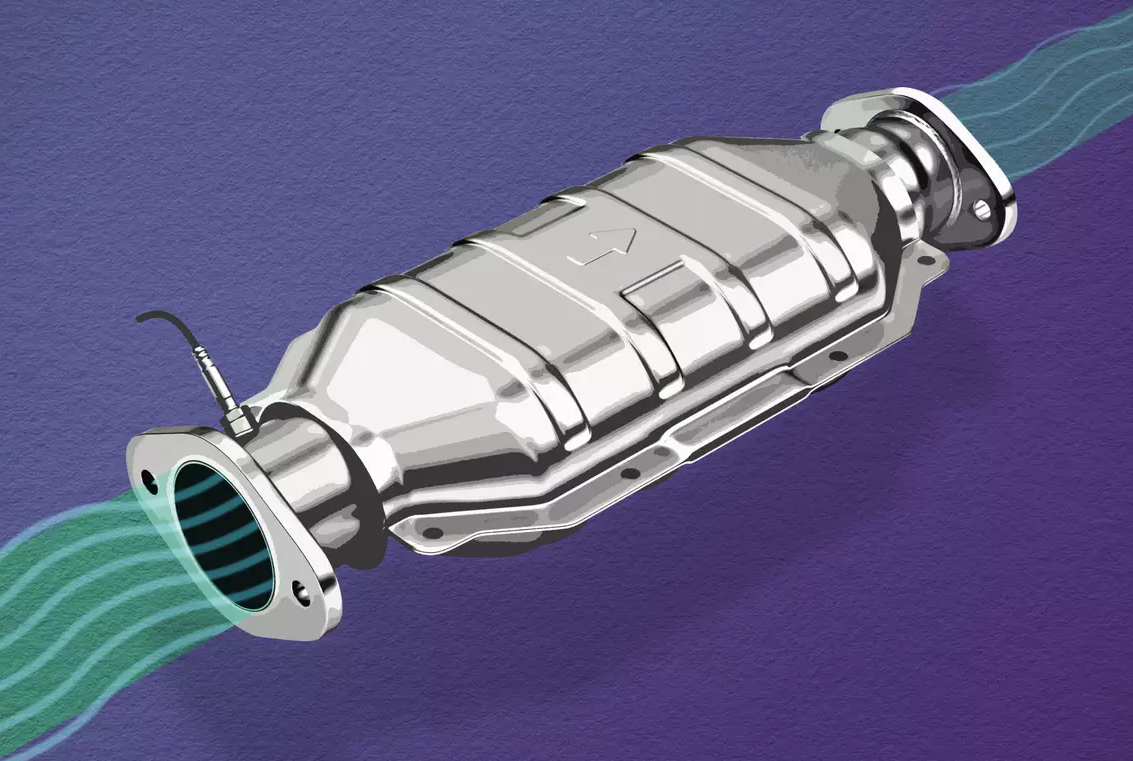
The catalytic converter reduces harmful emissions by converting exhaust gases into less harmful substances.
A failing catalytic converter can cause a buildup of exhaust gases, leading to poor engine performance and triggering the check engine light, especially under acceleration.
4. Ignition System Malfunctions
Components such as spark plugs, ignition coils, and wires are crucial for igniting the air-fuel mixture in the engine.
Worn or faulty parts can cause misfires, which are often more noticeable during acceleration and can cause the check engine light to flash or remain illuminated.
5. Loose or Damaged Gas Cap
A loose, damaged, or missing gas cap can cause fuel vapors to leak, leading to a drop in fuel pressure and triggering the check engine light. This issue can be intermittent, especially noticeable after refueling or during acceleration.
Diagnosing the Issue
Proper diagnosis is essential to address the root cause of the intermittent check engine light:
Use an OBD-II Scanner:
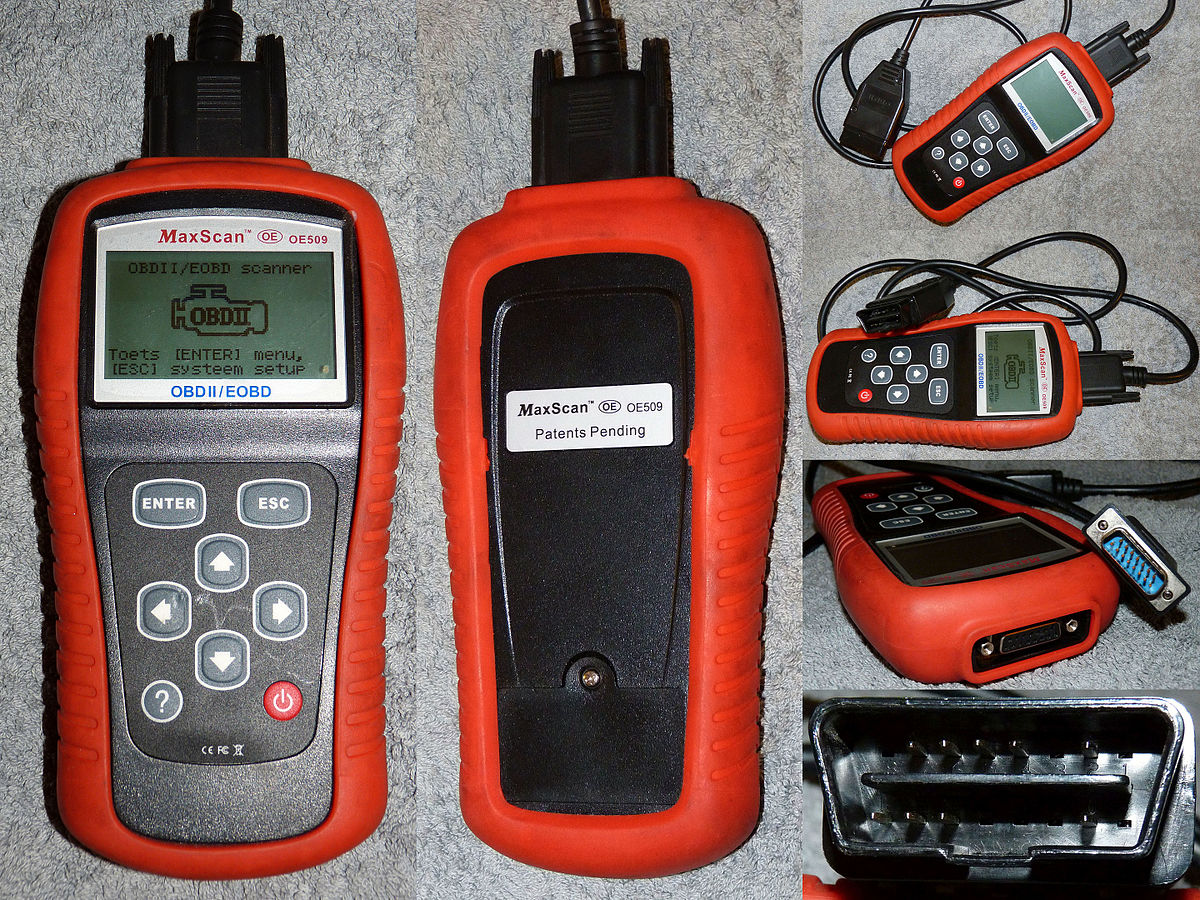
An onboard diagnostics scanner can read error codes stored in your vehicle’s computer, providing insight into the specific issue. Many auto parts stores offer free scanning services.
Once you’ve pulled the codes, it’s smart to get a second opinion—especially if the issue could be cosmetic or structural. An auto body shop in Erlanger KY can help spot physical damage that might be triggering those codes or affecting overall performance.
Professional Inspection:
If you’re unable to identify the problem or if the issue persists, it’s advisable to consult a professional mechanic. For instance, Urb’s Garage offers comprehensive engine diagnostic services in Burlington, KY, to accurately pinpoint and address such issues.
Potential Solutions
Once the cause is identified, appropriate measures can be taken:
- Replace Faulty Sensors: If the oxygen or MAF sensor is malfunctioning, replacing them can restore proper engine function.
- Repair or Replace the Catalytic Converter: Addressing catalytic converter issues can improve engine performance and reduce emissions.
- Service the Ignition System: Replacing worn spark plugs, ignition coils, or wires can prevent misfires and ensure smooth acceleration.
- Secure or Replace the Gas Cap: Ensuring the gas cap is properly sealed can prevent fuel vapor leaks and maintain system pressure.
Preventive Measures
To minimize the risk of future issues:
- Regular Maintenance: Adhere to your vehicle’s maintenance schedule, including timely oil changes, filter replacements, and inspections. Regular check-ups, like those offered by Urb’s Garage, can help detect and address potential problems early.
- Use Quality Fuel and Parts: Opt for high-quality fuel and OEM (Original Equipment Manufacturer) parts to ensure optimal performance and longevity.
- Monitor Driving Habits: Avoid aggressive acceleration and deceleration, as these can strain the engine and related components.
Frequently Asked Questions:
1. Why does my check engine light come on and off when accelerating?
Common causes include faulty oxygen sensors, issues with the mass airflow sensor, catalytic converter problems, ignition issues, and a loose gas cap.
2. Can a loose gas cap cause the check engine light to come on?
Yes, a loose gas cap can lead to fuel vapor leaks, lowering fuel pressure and triggering the check engine light, especially during acceleration.
3. How do I diagnose an intermittent check engine light?
Use an OBD-II scanner to identify error codes or consult a mechanic for a professional diagnosis. This will reveal underlying issues affecting the check engine light.
Conclusion
An intermittent check engine light during acceleration is a warning that should not be ignored. By understanding the potential causes and seeking timely diagnosis and repair, you can maintain your vehicle’s performance and prevent more severe issues down the road.
Regular maintenance and attentive driving habits are key to keeping your vehicle running smoothly.
